
What Fijian Turmeric Is, and Why We Use the Whole Root.
Explore TopShelfNutra’s Organic Fijian Turmeric—from Wakaya’s volcanic soil and hand harvest to whole-root preparation, everyday uses, and research on turmeric and curcumin.
By The TopShelfNutra Team7 min read
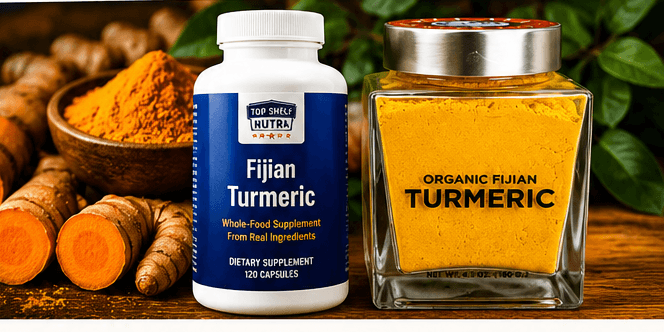
Before our Organic Fijian Turmeric becomes a fine golden powder, its story begins on Wakaya, a private volcanic island in Fiji.
There, turmeric grows alongside our pink Fijian ginger in rich volcanic soil, nourished by natural equatorial rainfall. The crops are cultivated and harvested by hand—a hands-on approach that connects the finished ingredient to the place it comes from.
At TopShelfNutra, that origin matters. We want you to know the story behind the golden color, the care that goes into preparing the root, and what the research can tell us about turmeric and curcumin.
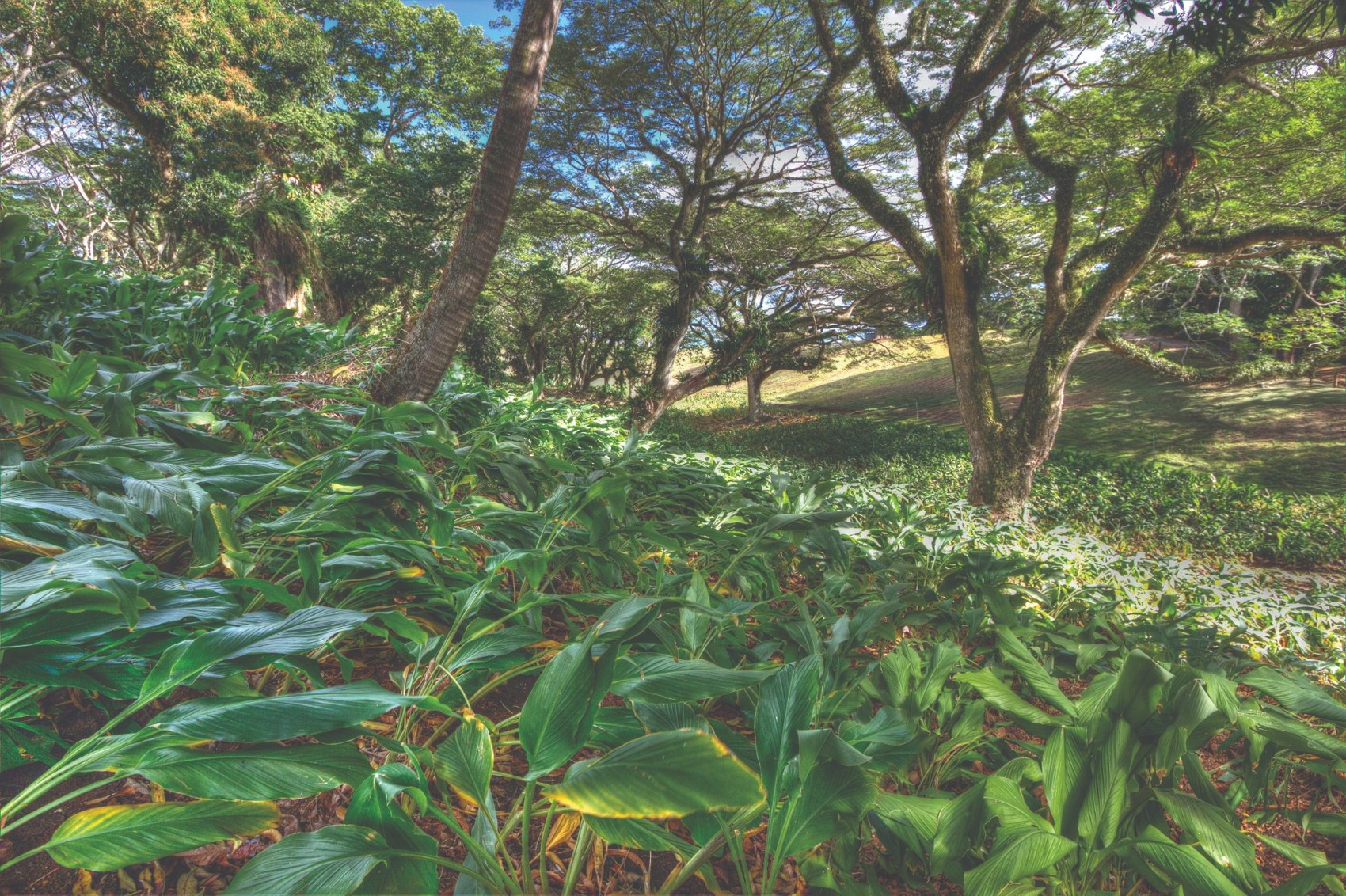
A golden root with a Wakaya story
Our sourcing story traces this turmeric to heirloom roots found in Wakaya’s remote island jungles. Today, those roots are hand cultivated alongside our pink Fijian ginger in the island’s rich volcanic soil. Read the shared Wakaya origin story of our ginger and turmeric.
The setting is part of what makes this ingredient special to us: tropical rainfall, fertile soil, and a harvest that begins with human hands. Rather than relying on mechanized cultivation, our growers tend the crops by hand.
From island soil to a fine golden powder
Our Organic Fijian Turmeric is USDA certified organic and kosher certified. After harvesting, the roots are carefully dried and ground into a luxuriously fine, rich golden powder, with no added preservatives or additives.
- Hand cultivated and harvested on Wakaya, alongside our pink Fijian ginger.
- Nourished by natural rainfall in rich volcanic soil.
- Carefully dried and finely ground into a golden powder ready for your routine.
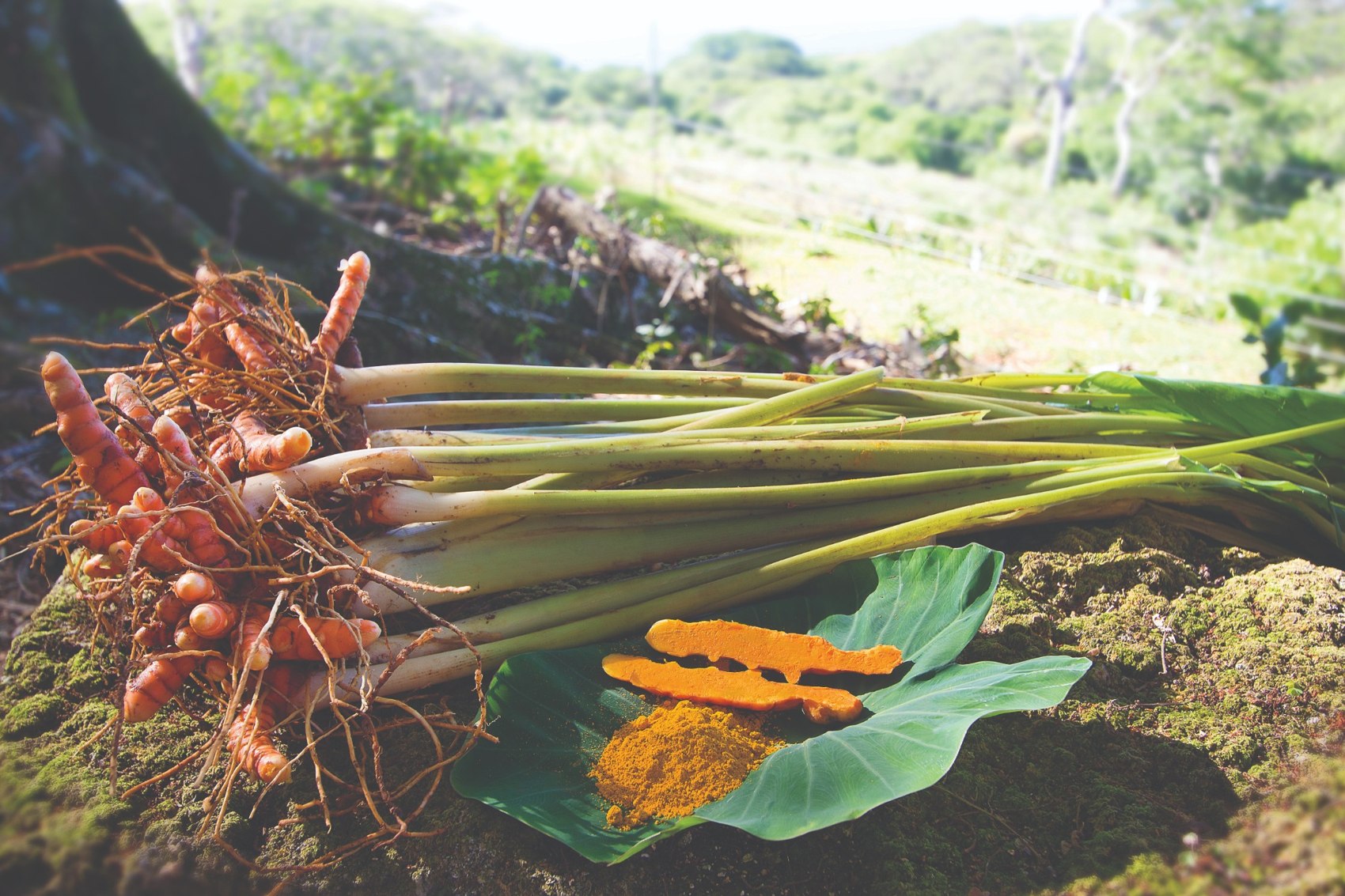
Its distinctive aroma, flavor, and color give you a way to experience the ingredient beyond its name on a label. For us, the appeal begins with the whole root.
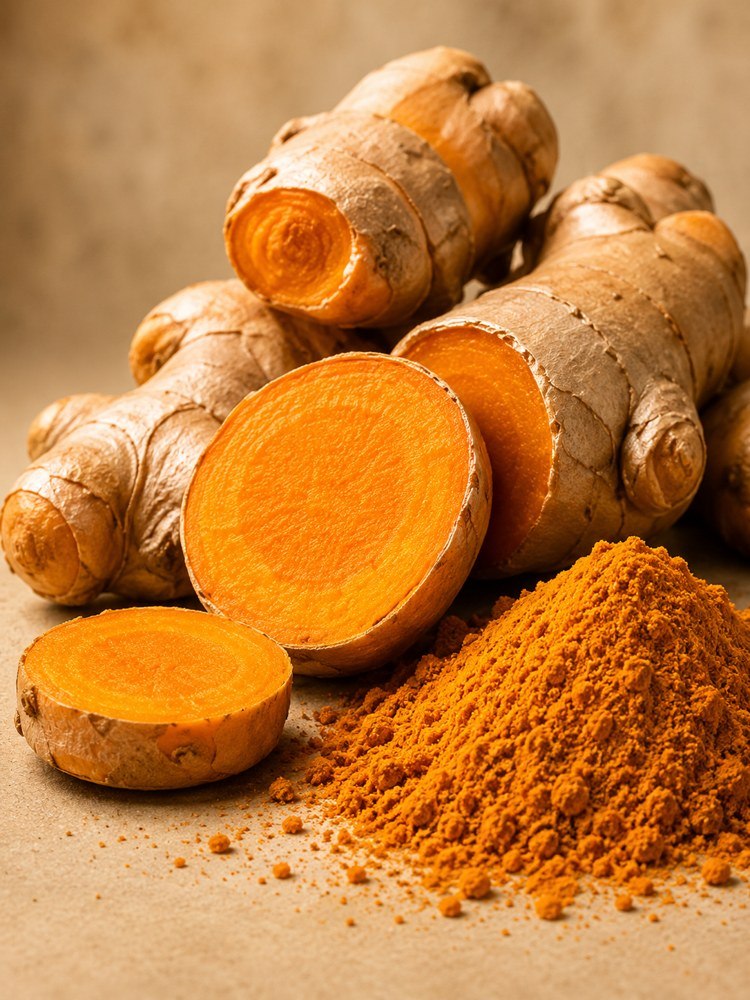
Turmeric belongs to the ginger family. Like ginger, the part commonly called its “root” is a rhizome, or underground stem.2
Our turmeric page identifies naturally occurring curcuminoids and aromatic plant compounds as part of the whole root.1 Curcumin is one of those constituents.
That brings us to an important distinction.
Turmeric and curcumin: connected, but different
Turmeric is the plant ingredient. Curcumin is one of its naturally occurring compounds.2
A product made with whole turmeric root and a concentrated curcumin preparation can therefore have different compositions. Their labels—and the studies about them—deserve a closer look.
| What you’re looking at | What to ask |
|---|---|
|
Whole turmeric root TopShelfNutra’s stated ingredient approach. | What is the serving size? How much root is provided? What else is listed? |
|
Turmeric extract A preparation extracted from turmeric. | Which constituents does it contain, and what amounts are specified? |
|
Curcumin formulation A product emphasizing curcumin. | How much curcumin is present? Is the formulation modified to increase absorption? |
These descriptions help you compare products. They do not, by themselves, establish which preparation will work better for a particular person.
Know the ingredient.Know the preparation.
Then look at the research.
Why turmeric draws so much interest
Curcumin is one of the compounds that gives turmeric its characteristic color. Researchers have explored turmeric and curcumin in relation to inflammation, joint comfort, and digestive health. Those research questions are part of the interest in this golden root; they do not establish that every turmeric product delivers the same benefits.2
What the Research Says
A growing body of research explores turmeric and its active compounds. For TopShelfNutra, sharing that research means showing you what was tested, what was found, and how far the findings can take us.
How to read these studies: Human trials study outcomes in people. Human-cell experiments investigate mechanisms in cultured cells. Animal and other laboratory studies help researchers develop questions for future human research.

Turmeric & Joint Comfort
A 2021 review of 16 randomized trials involving 1,810 adults with knee osteoarthritis found that turmeric extracts improved pain and physical function compared with placebo. The short-term studies varied considerably and had a moderate risk of bias, leaving uncertainty about the size of the benefit.6
Wang et al. Curr Rheumatol Rep. 2021;23(2):11.
Read the study →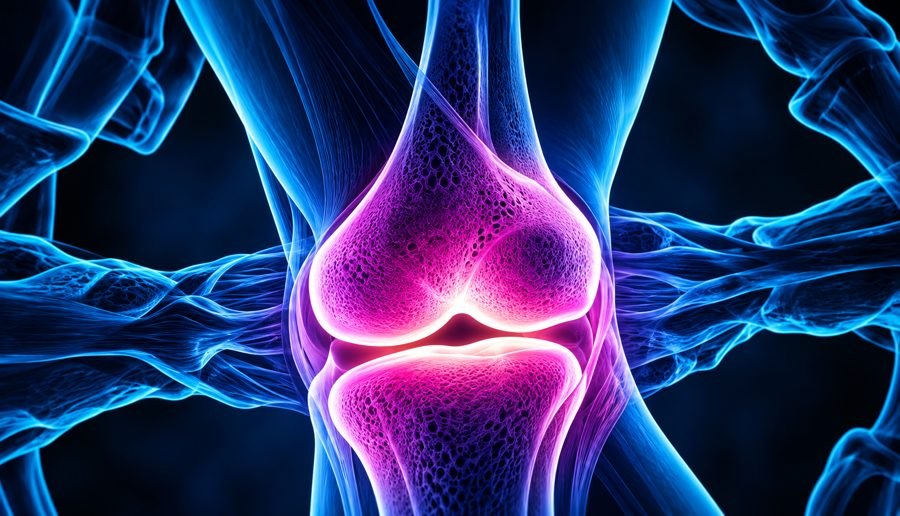
Turmeric & Joint Health
A 2025 review of 17 randomized studies found that the turmeric preparations studied reduced knee osteoarthritis pain compared with placebo. The authors rated the certainty of evidence as low and called for further research. Different preparations cannot be assumed to deliver identical results.7
Wai et al. BMC Complement Med Ther. 2025;25:292.
Read the study →
Anti-Inflammatory Activity
In human-derived U937 monocytes exposed to high glucose, curcumin reduced lipid peroxidation and secretion of TNF-α, IL-6, IL-8, and MCP-1. The paper also studied diabetic rats. These experiments explore biological mechanisms; they do not establish a clinical benefit in people.8
Jain et al. Antioxid Redox Signal. 2009;11(2):241–249.
Read the study →
Exercise Recovery & Muscle Soreness
In a randomized crossover trial of 14 untrained young men, a specific curcumin formulation reduced strength loss and creatine kinase increases after strenuous arm exercise. Muscle soreness did not differ significantly from placebo. A separate 17-man trial reported less soreness with a different curcumin regimen.49
Tanabe et al. Eur J Appl Physiol. 2015;115(9):1949–1957.
Read the study →
Brain Health & Cognitive Research
A 2025 systematic review examined 29 preclinical studies in rodent models of dementia. Many reported improvements in learning or memory and reductions in markers of oxidative stress and inflammation with curcumin. These animal findings do not demonstrate cognitive benefits in humans.10
Kehinde et al. Int J Mol Sci. 2025;26(14):7026.
Read the study →
Antioxidant Activity
Laboratory experiments found that curcumin scavenged certain reactive molecules and protected cultured cells against an oxidative challenge. The work used chemical tests and rat-derived muscle cells, rather than people taking a turmeric supplement.11
Barzegar & Moosavi-Movahedi. PLoS One. 2011;6(10):e26012.
Read the study →Images illustrate the topics; they are not photographs or experimental results from the studies.
A separate 12-week trial of a turmeric extract in 70 people with knee osteoarthritis found improved pain, but no improvement in the measured joint effusion-synovitis.3 Together, these findings show why pain relief and a change in an inflammation measurement should be described separately.
These papers did not test TopShelfNutra’s finished Organic Fijian Turmeric product. Findings about extracts, concentrated curcumin, or enhanced-absorption formulations do not establish the same effects for our whole-root powder.
The National Center for Complementary and Integrative Health describes the initial evidence for knee osteoarthritis as positive, while noting that higher-quality research is needed for definitive conclusions.2
A place in your kitchen, too
Our fine golden powder makes turmeric easy to bring into everyday meals. Try culinary turmeric in a vegetable soup, rice dish, or homemade dressing. Start with a small amount and let its flavor guide you. Explore Culinary Glass Fijian Turmeric Root Powder.
Use a product labeled for culinary use when cooking. When considering capsules, read the complete label and follow its directions.
Our whole-root approach gives us a recognizable ingredient to explore. Your meals, movement, sleep, and other daily habits remain part of the larger picture.
Choose with your routine in mind
Turmeric supplements can cause digestive side effects and may interact with medicines. Some formulations designed to increase curcumin absorption have been linked to liver injury. Consult your healthcare professional about supplement use, especially if you take medication, are pregnant, or are breastfeeding.2
These considerations are another reason to look at the actual product and preparation, rather than treating every turmeric or curcumin label as interchangeable.
Your next “turn the bottle around” moment
Explore our Fijian Turmeric ingredient page. Look at the full label for the product you’re considering, and bring us your questions about the root, the preparation, or the research.
You deserve to understand what you’re choosing. We want to help make that conversation clear.
You can also explore our guide to Pink Fijian Ginger, turmeric’s close botanical relative.
TopShelfNutra · Ingredient EducationFrom Wakaya’s volcanic soil
to your everyday routine.
Get to know your golden root.
Sources
- TopShelfNutra: Turmeric — company ingredient and preparation information.
- NCCIH: Turmeric—Usefulness and Safety.
- Wang et al. (2020): Effectiveness of Curcuma longa Extract for the Treatment of Symptoms and Effusion-Synovitis of Knee Osteoarthritis. Annals of Internal Medicine, 173(11), 861–869.
- Nicol et al. (2015): Curcumin supplementation likely attenuates delayed onset muscle soreness. European Journal of Applied Physiology, 115(8), 1769–1777.
- TopShelfNutra-provided Organic Fijian Turmeric sourcing and product information, supplied September 29, 2026 — Wakaya origin, heirloom roots, hand cultivation, rainfall, certifications, and powder preparation.
- Turmeric & Joint Comfort — Wang et al. Curr Rheumatol Rep. 2021;23(2):11.
- Turmeric & Joint Health — Wai et al. BMC Complement Med Ther. 2025;25:292.
- Anti-Inflammatory Activity — Jain et al. Antioxid Redox Signal. 2009;11(2):241–249.
- Exercise Recovery & Muscle Soreness — Tanabe et al. Eur J Appl Physiol. 2015;115(9):1949–1957.
- Brain Health & Cognitive Research — Kehinde et al. Int J Mol Sci. 2025;26(14):7026.
- Antioxidant Activity — Barzegar & Moosavi-Movahedi. PLoS One. 2011;6(10):e26012.
Educational information only. This article does not provide personal medical advice. These statements have not been evaluated by the Food and Drug Administration. This product is not intended to diagnose, treat, cure, or prevent any disease.
Images supplied by the TopShelfNutra website.
Keep reading.

Discover the Wakaya Island origins of TopShelfNutra’s Organic Pink Fijian Ginger and Organic Fijian Turmeric—from volcanic soil and hand cultivation to the products in your daily routine.
October 23, 2026 · 3 min read
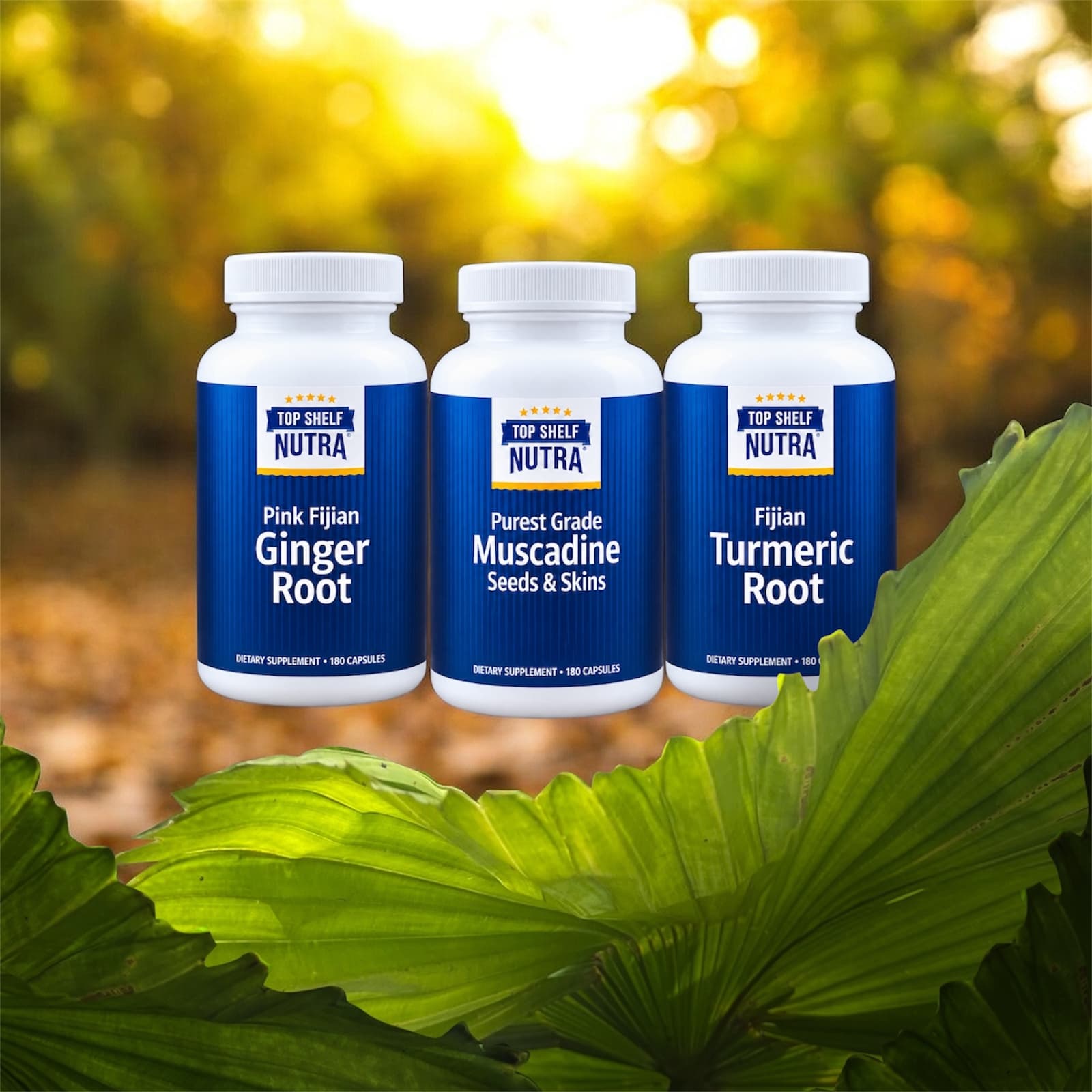
Turn the bottle around and discover the story behind TopShelfNutra’s ingredients. Get to know Pink Fijian Ginger, Fijian Turmeric, and muscadine—and learn what to look for on your product labels.
October 7, 2026 · 4 min read
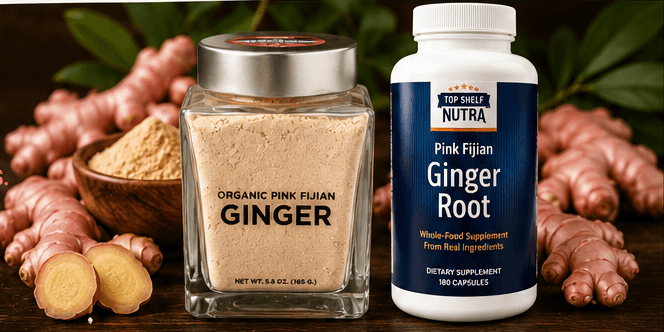
Explore TopShelfNutra’s Organic Pink Fijian Ginger—from its island origins and hand harvest to whole-root preparation, everyday uses, and the research behind this familiar ingredient.
September 28, 2026 · 7 min read